It took a while for my family to finally accept Wairimu. At least, that’s how they always let it roll out, You know, give a smile, laugh, speak gently, kind of pretense. It really never occurred to me that we were always missing the point. What did you really expect me to do? Stand up in the living room to question my brother, why does he sulk often when Wairimu and I are around? Was I to, look straight in my mother’s eyes, to ask her, why does she always stay hidden in her room, when we paid them a visit? Is that what you wanted me to do? To ask my sister why she’s constantly on her phone, when Wairimu and I are at home?? yet, the moment we left, they acted normal.
My friends always pat me on the back. Saying, what a beautiful woman I’ve got. Who wouldn’t miss that woman? Desert in complexion, locks for her hair, nice bust, round behind. No one! As soon as I left, they spat behind my back. Saying that I did betray the tribe. Maybe I wasn’t part of the tribe. Maybe I didn’t want to belong. They often said, “magi to koro odhi go Kanye. .?” They were the first to point out that those of the different tribes, from which Wairimu and I came from, can never make a good wife and husband. That the ancestors decreed. Maybe we wanted to be different. To be free.
We met in campus. Wairimu struck me as the girl who never loved politics, football or unnecessary attention. Girl of stance, who loved books and music. She had this guitar, she would pull it’s string during practice. The second time I ever felt close to Wairimu, was when she got pregnant. I asked her to get rid of it. In the middle of the night, she would give me a call. That the child was calling unto her, that it wanted to be saved. That the baby was crying. It’s in agony. She would cry about it. She would scream about it. I could feel her pain. I had a share of my own guilt. That woman was brave. Braced the distance. Jumped over stereotypes, and made it with me.
She shared in my optimism. The belief of the possibility of the impossible happening. Whatever her father told her against me, she didn’t listen. When her mother warned her that we wouldn’t last, she brushed her off. When her siblings, showed her evidences of such marriages as ours, that ended up in separation. She never cowered. We were always ready to be different. Assertive that we’d make it. She never wanted to feel like a little girl. To be dictated upon by tribal rules, to be told what to do and what no to. Who to father her kids or who Shouldn’t. She wanted to be a woman. A formidable one. The like who walks into the enemy’s territory, to call a truce. She wanted to be free.
It was in the eve of a political heat. They called it, the age of political uncertainties. Teargas rumbled. Bullets ricocheted. Many voiced themselves. Some voices were silenced. They called it emancipation. Maybe democratisation. Lives were lost. We sat in our living room watching the tele. My heart was brewing in anger. I could feel the divide creeping under the couch. My people were suffering on the streets, bullets squeezed into their tiny chest cavities. Whereas her people were thriving on the other end of the divide. Living as if everything made sense. I could burst out to Wairimu, and say, “why are your people killing my people? Why?” And Wairimu, could burst through her teary eyes, and say, “why are your people out there in the first place? Why are your people destroying properties? Why are your people always the victims?”
Out in the streets, people talked. They sneered behind my back. They pointed at me with their side eyes. “That’s him. The one who has betrayed the tribe. That’s him. He’s one of them now.” Back in the house, Wairimu got calls from her family. They wanted her back. It wasn’t safe for her anymore. Her father said, “Ndingîenda ûûre rita rîa kerî.” She refused to go back. At night, She crawled to bed, held my face in her hands, looked me straight in the eyes, and said, “Promise me, our kids we’ll live in a better society than our own. Promise me, that it will get better with time. Tell me that we are not going to break for them. Tell me that our kids won’t be targets”. Of course, I promised her.
After the dust settled down. We thought it was time. It took a while to convince our families, that we were set for the wedding. We were to do the normal wedding, then the traditional one, (both the Agikuyu way and the Luo way). But it couldn’t happen. The elders were against our marriage. So we decided to do it the modern way. Everything was set. The colours of love. The glamour of it all. I Stood at the aisle waiting. She was walking down the aisle, towards me, when it all happened. A white Toyota pickup stopped by. On it, Wairimu’s brother was the driver. Behind, some men alighted. It was so quick, her father grabbed her, put her on the pick up. They left. But that wasn’t all, there were brawls that lasted a while. I chased over the pick up that spurt dust to my face, on the windscreen, Wairimu was calling out for my help. I couldn’t help.
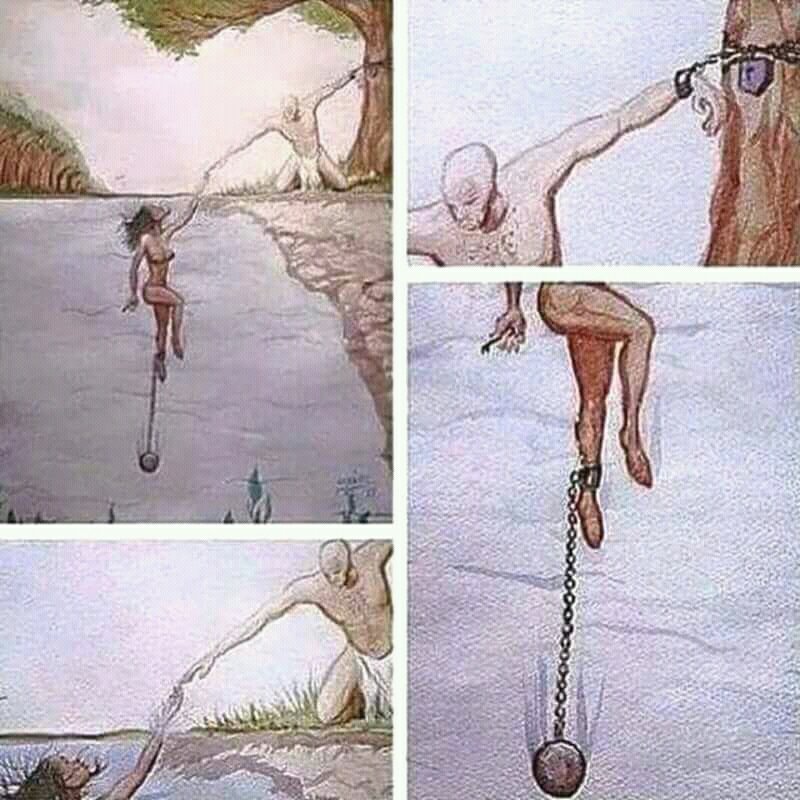
Sometimes I sit on Wairimu’s grave. She always wanted to be free. Now she was free. When she was taken from me, she was barred from using the phone, she was constantly locked in her room, So she ended it all.
Sometimes I think we could’ve made it. The hate and resentment of our tribesmen, brew neath their hearts. We never weighed it down. That, tribalism could get personal as that. Maybe not my kids, maybe my grandchildren will enjoy such freedom. For there will be a revolution between the grandchildren and their grandparents. They’ll want to be free. That there wouldn’t be any wrong in marrying someone out of your tribe. Maybe that wasn’t our freedom to enjoy.
“I failed you. I’m sorry.”
“Its okay. We tried. We tried. I love you. ”
****
As written by Phill Ibsen
( Master Of Descriptions )
A Heart_Art_Poetics productions


Leave a Reply