Stories have crossed oceans, survived wars, and bridged divides once thought impossible. This raises a question worth asking: what gives storytelling such power? How does it continue to connect cultures and emotions in ways nothing else can?
The answer is simple: stories speak a universal language, one that transcends borders, beliefs, and backgrounds.
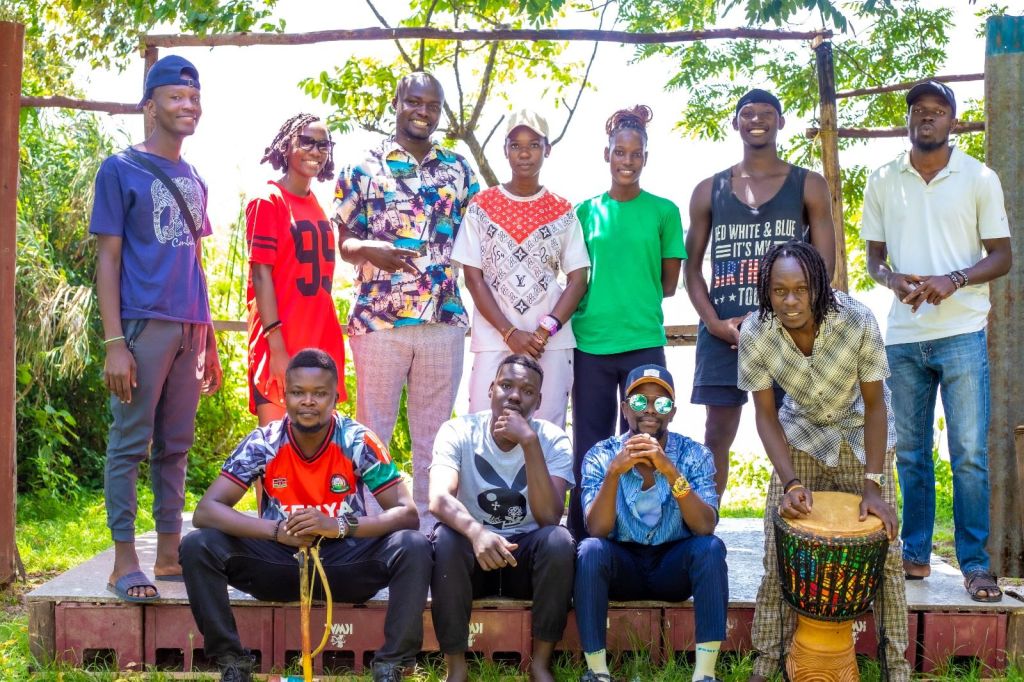
Poised to become the Silicon Valley of art in Western Kenya, PamoJani Arts collaborated with Engero Fichua Hadithi on a cross-border project led by Obel Joseph (Kenya) and Benji (Uganda), with funding support from the British Council.
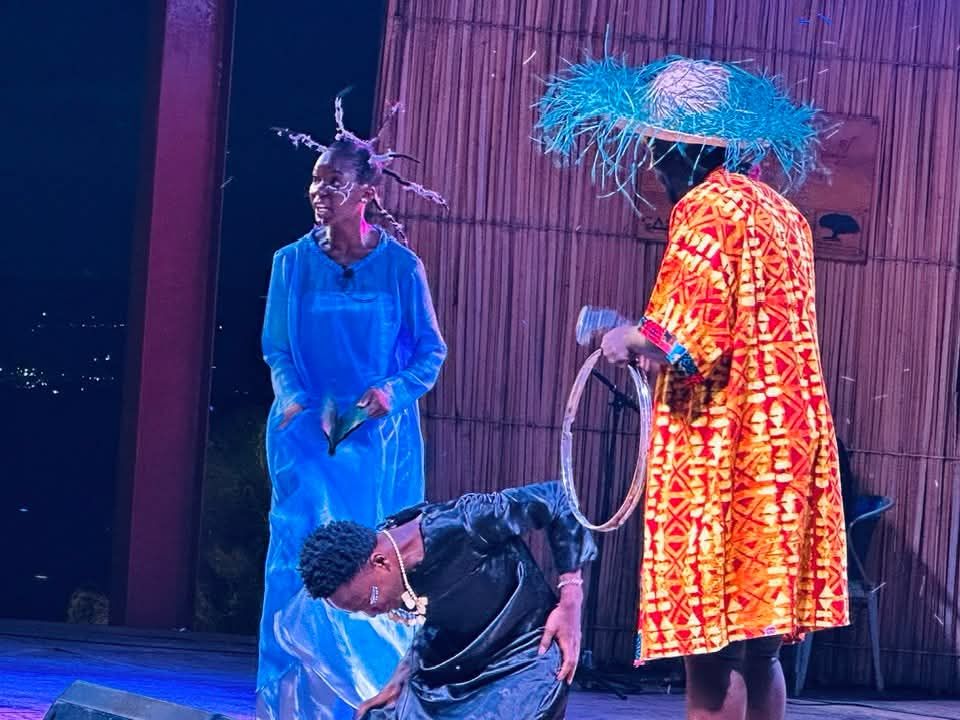
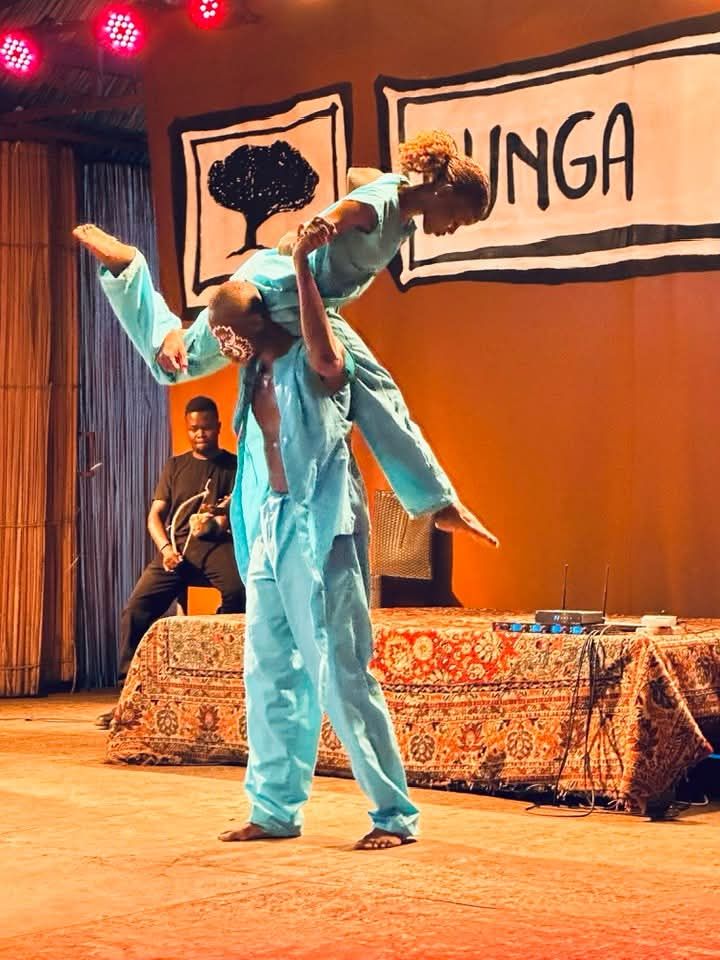
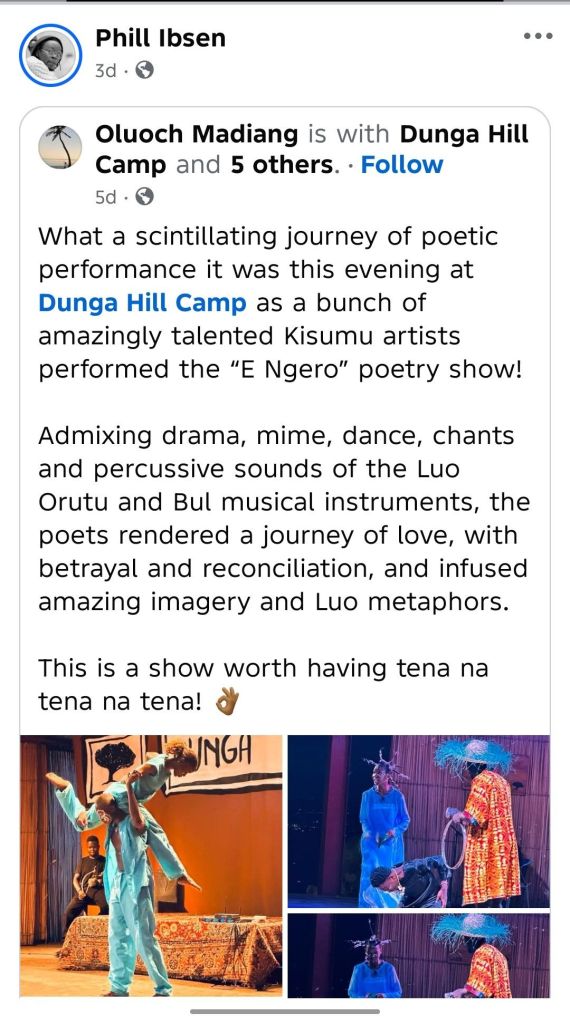
The collaboration culminated in a dance, Theater, and spoken-word performance titled Jana, Leo, na Kesho (Yesterday, Today, and Tomorrow). Djembe percussion and Orutu melodies serenaded the space, echoing like the gentle rhythms of Nam Lolwe herself.
At its core, the performance explored tugo mane watugo themes of cultural memory, childhood, and shared heritage. Through movement, music, and narration, it reflected on traditional games, communal life, and stories that risk fading in the face of modern change.
The work drew on the longstanding cultural connections between communities in Uganda and Kisumu, whose histories are intertwined through trade, migration, and shared life around Nam Lolwe.
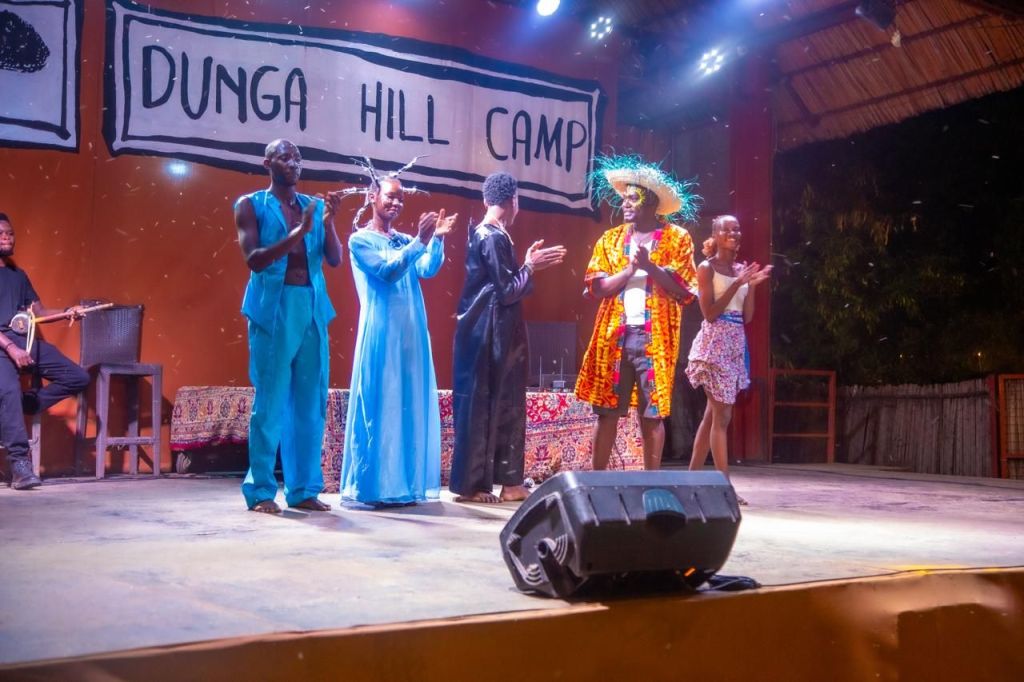
Engero Fichua Hadithi was staged on 10 January in Uganda and later presented in Kisumu on 15 January, reaching audiences on both sides of the border.
The performance asked audiences to remember. To feel. To recognize themselves in stories that transcended national boundaries.
This is storytelling at its best. A reminder that borders are political constructs, but culture flows like water—connecting communities across artificial divides.


Leave a Reply